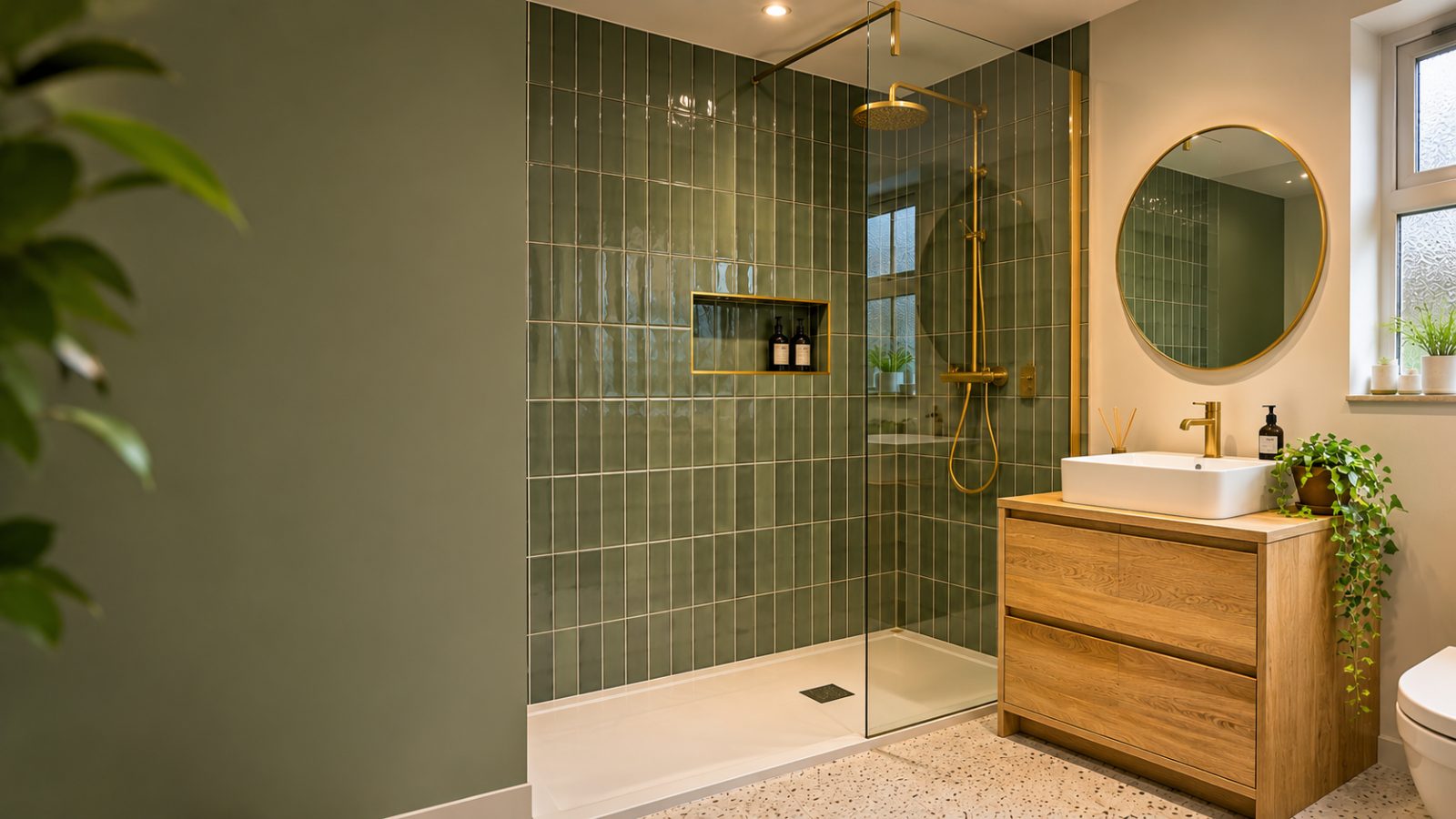
Planning Your Complete Bathroom Transformation
How Bathroom Renovation Works and What Affects the Cost
Discuss your renovation plans with an independent bathroom contractor. Get a Free Estimate
A bathroom renovation involves renewing a room to improve its condition, appearance and suitability for everyday use. Depending on your requirements, this could mean replacing all the existing fittings, redesigning the layout or addressing problems with plumbing, ventilation and surrounding surfaces.
Understanding the work involved makes it easier to prepare for the project and evaluate the contractor's proposal. Decisions about layout, materials and installation methods can significantly influence the scope of the renovation.
We help you begin that process by taking details of your proposed improvements. The independent contractor can then assess the bathroom, explain the available options and prepare an estimate based on your requirements.
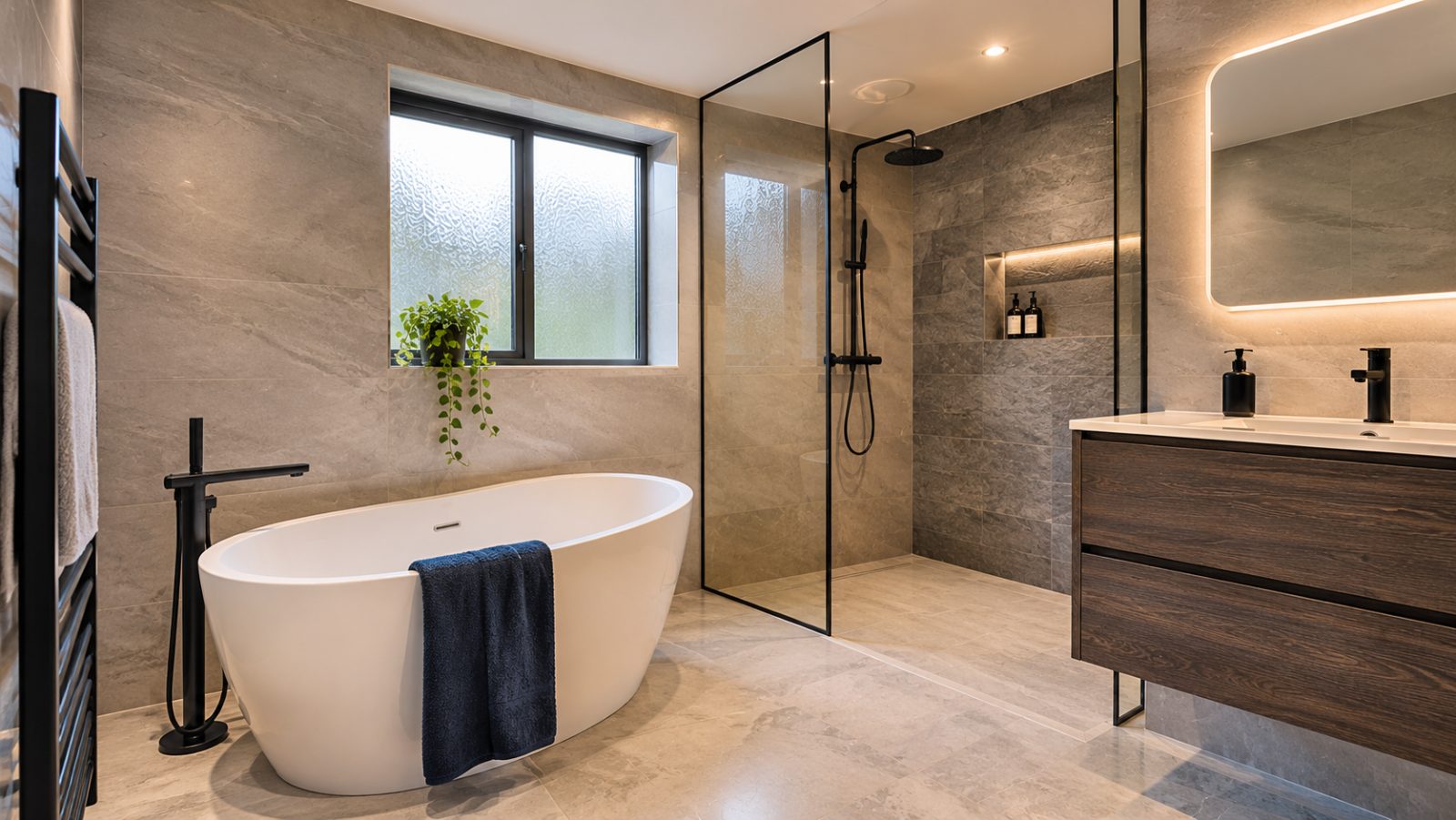
The exact requirements depend on the existing bathroom and your intended design. A comprehensive renovation can involve several interconnected stages, each contributing to the performance and appearance of the completed room.
Changing the position of bathroom fittings can improve movement around the room and make better use of awkward spaces. The contractor should consider the relationship between doors, windows, existing drainage connections and the available floor area before recommending a layout. Relocating a toilet or shower may be more complicated than moving bathroom furniture because waste pipes need suitable routes and drainage arrangements. Discuss these limitations before purchasing products. Accurate measurements and realistic planning help establish which changes are possible without unnecessary alterations to the building.
An extensive renovation normally requires removing unwanted sanitaryware, furniture and surface finishes. This creates an opportunity to inspect areas that were previously concealed and identify damage or unsuitable materials. The contractor may need to repair walls, replace damaged floor sections or prepare surfaces to support the new installation. Establish how discoveries made during stripping out will be documented and discussed. Preparing the underlying room properly is important because new fittings and tiles depend on a suitable foundation.
A renovated bathroom may require changes to water supplies, waste connections, lighting and extraction. The contractor should consider the compatibility of the proposed fittings with your property's existing systems. Electrical work must meet applicable bathroom safety requirements, and appropriate specialist involvement may be necessary. Ask which alterations are included within the proposed renovation and how any required testing or certification will be arranged.
Bathroom surfaces must accommodate regular exposure to moisture. Appropriate preparation, waterproofing and finishing materials are particularly important around showers and other areas subject to frequent splashing. Your preferred tiles, wall panels and flooring should be discussed alongside the installation methods they require. Product appearance is only one consideration. Suitability for wet conditions, cleaning requirements and compatibility with the underlying surfaces also influence the finished result.
Installing the new bath, shower, toilet, basin and furniture brings the planned layout together. Each fitting needs appropriate support, secure connections and sufficient clearance for comfortable use. Discuss practical details such as access to concealed plumbing, maintenance requirements and the positioning of controls. These considerations can make the bathroom easier to live with after the renovation has been completed.
You can describe your priorities before selecting individual products or settling on a design.
The contractor can explain how preparation, layout changes, product choices and installation requirements influence the estimate.
Review the proposed renovation arrangements directly with the contractor before entering into an installation agreement.

Find out what your planned bathroom renovation could involve by submitting your requirements for an individual assessment.
Free — no obligations
Tell us about its approximate size, current fittings, condition and the improvements you want to make.
The independent contractor contacts you to discuss the project and determine whether a property assessment is needed.
Consider the layout, materials, preparation requirements, anticipated disruption and written estimate together.
Confirm the scope, payment terms, responsibilities and proposed schedule directly with the contractor.
The contractor carries out the agreed installation and explains the finished fittings, maintenance requirements and applicable guarantees.
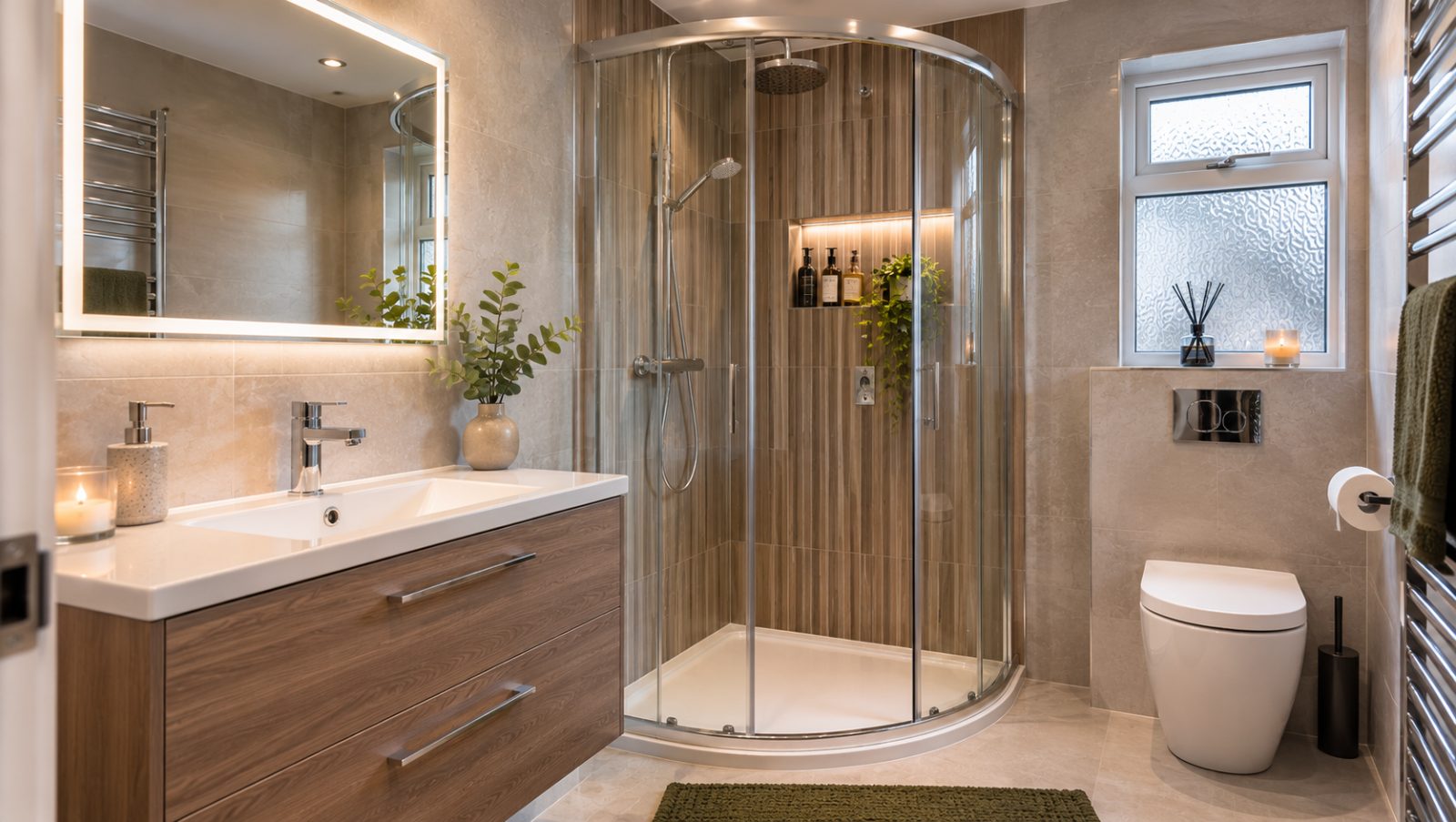
The scope of work, plumbing alterations, condition of existing surfaces and selected products are important factors. Hidden damage discovered during preparation can also change the requirements.
Yes, removing existing finishes can reveal damaged materials, unsuitable plumbing or other concealed problems. Agree with the contractor how additional work will be assessed and authorised.
It is usually sensible to confirm measurements and product compatibility with the contractor first. Ordering too early can create difficulties if a fitting requires unsuitable connections or more space than expected.
Look for a clear description of preparation, installation, materials, finishing work and exclusions. Responsibilities for waste removal, specialist trades and unexpected changes should also be discussed.