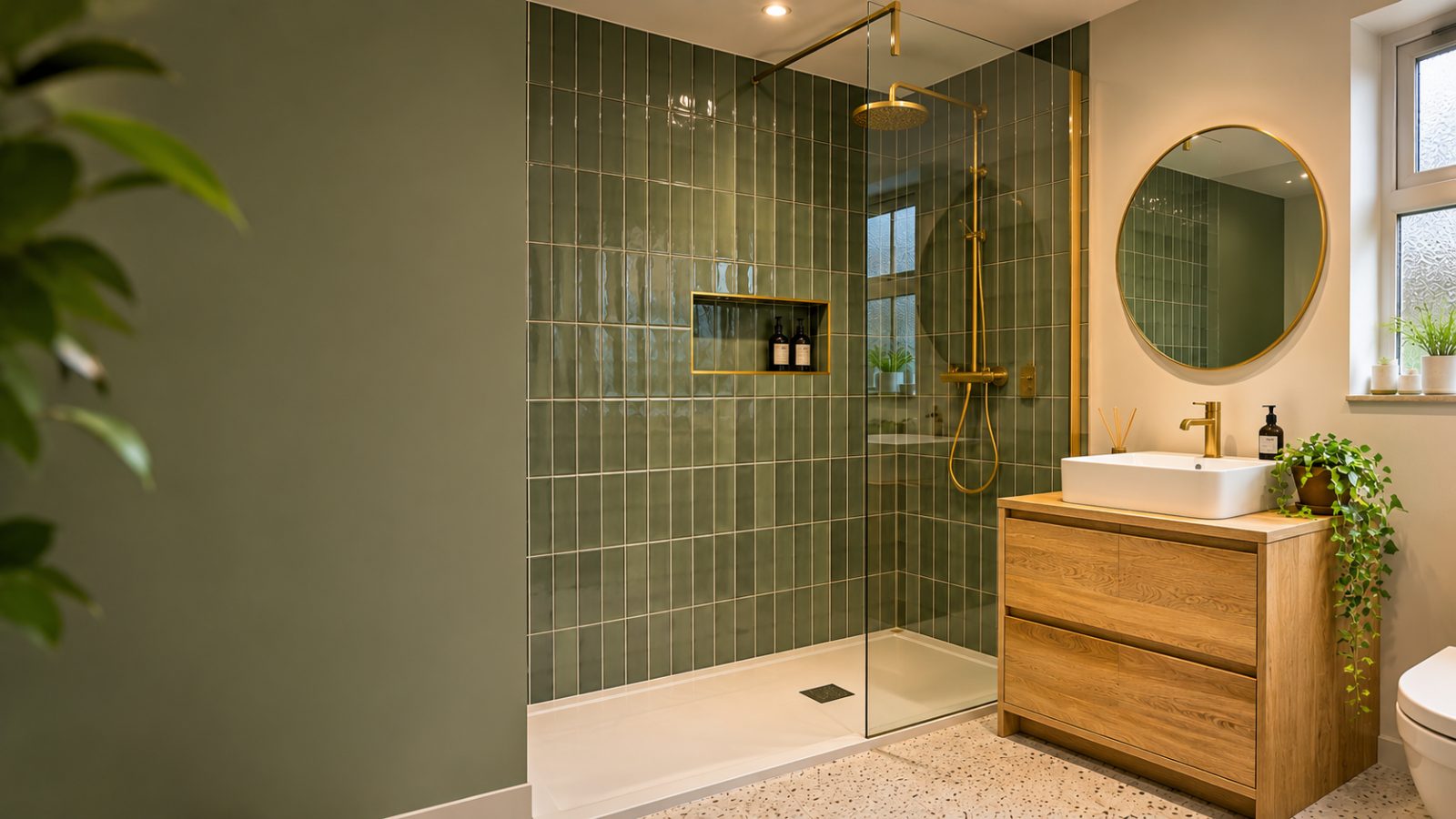
Bathroom Improvements Across Bury
Bathroom Renovation in Bury
Tell us about your new bathroom and request an estimate. Get a Free Estimate
A bathroom should be somewhere you can get ready comfortably, enjoy a relaxing bath and go about your daily routine without inconvenience. When the layout feels cramped, the fittings are worn or the room is difficult to keep clean, a bathroom renovation can make a noticeable difference to everyday life.
Bathroom Renovations Bury helps homeowners arrange bathroom improvements throughout Bury and the surrounding parts of Greater Manchester. Whether you are updating a tired family bathroom, replacing a bath with a spacious shower or planning a complete transformation, we can help you take the first step.
You do not need to have chosen every tile, tap or fitting before getting in touch. An outline of your ideas, the problems with your existing bathroom and what you would like to achieve is enough to get the conversation started.
From traditional terraced houses to contemporary family homes, every property presents different opportunities. The aim is to help you find a practical solution that suits your home, your household and the way you use your bathroom.
Bathroom Renovations Bury is a local bathroom referral service. We take your request and pass it to an independent local contractor, who contacts you directly, provides the estimate and carries out any work you agree to. We do not undertake bathroom installation or renovation work ourselves.
We believe arranging improvements to your home should begin with straightforward communication. Rather than expecting you to understand all the technical details of bathroom construction, we encourage you to explain what is not working in your current space and what you would like to change.
Our focus is on helping homeowners throughout Bury and neighbouring communities make that initial connection. Once the contractor understands your requirements, you can discuss suitable products, installation options, practical limitations and the proposed scope of work before deciding whether to proceed.
More about us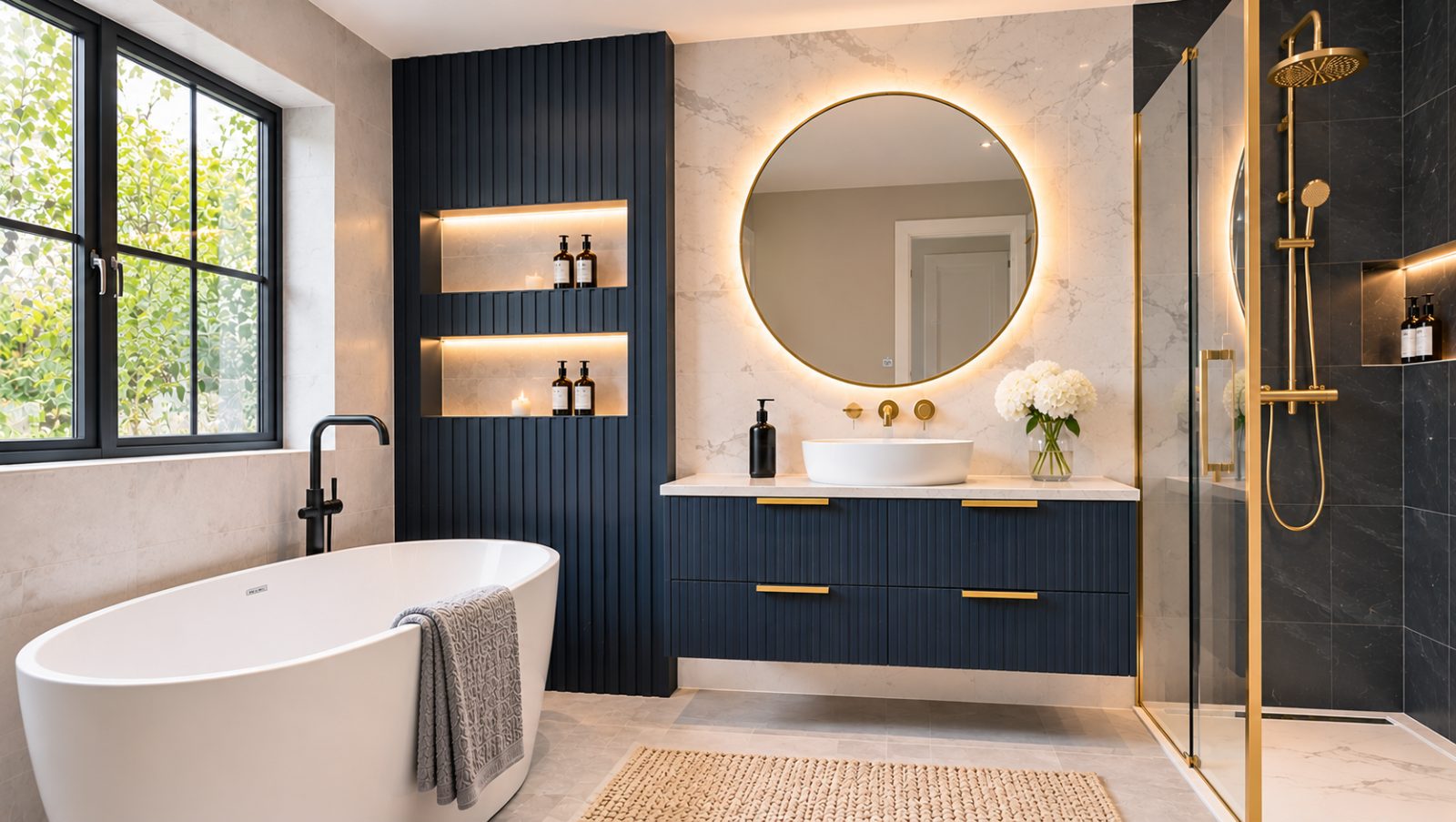
Bathroom improvements can range from replacing individual fittings to completely changing the layout of the room. Explore the different types of work you can enquire about, whether you have a specific improvement in mind or need help deciding where to begin. The contractor can discuss which options are appropriate for your property and explain what the installation would involve.
Transform an outdated bathroom with a carefully planned renovation that improves its layout, appearance and everyday functionality.
Learn more →Refresh your existing bathroom with updated fittings, improved finishes and practical changes without automatically replacing everything.
Learn more →Arrange a shower installation that suits your bathroom layout, water supply, accessibility needs and daily routine.
Learn more →Explore properly planned wet room installations with suitable waterproofing, drainage and accessible showering arrangements.
Learn more →Replace an uncomfortable or outdated bath with a suitable installation that complements your bathroom and household needs.
Learn more →Arrange the installation of bathroom suites, sanitaryware, furniture and fittings with attention to their practical requirements.
Learn more →We cover Bury and nearby residential communities across Greater Manchester, including Brandlesholme, Walmersley, Elton, Fishpool, Fairfield and Redvales. These areas contain a varied mix of older terraces, established suburban houses, converted properties and more recent residential developments.
Bathroom requirements often reflect the character of the property. An older house might need attention to its pipework, ventilation or floor structure before new fittings can be installed. A more modern home may benefit from improved storage, a better shower enclosure or a layout that accommodates a growing family.
Wherever you live within the service area, you can explain your requirements through our enquiry process. Include your location, the type of bathroom you have and the improvements you are considering so the contractor has a useful starting point when getting in touch.
See all service areas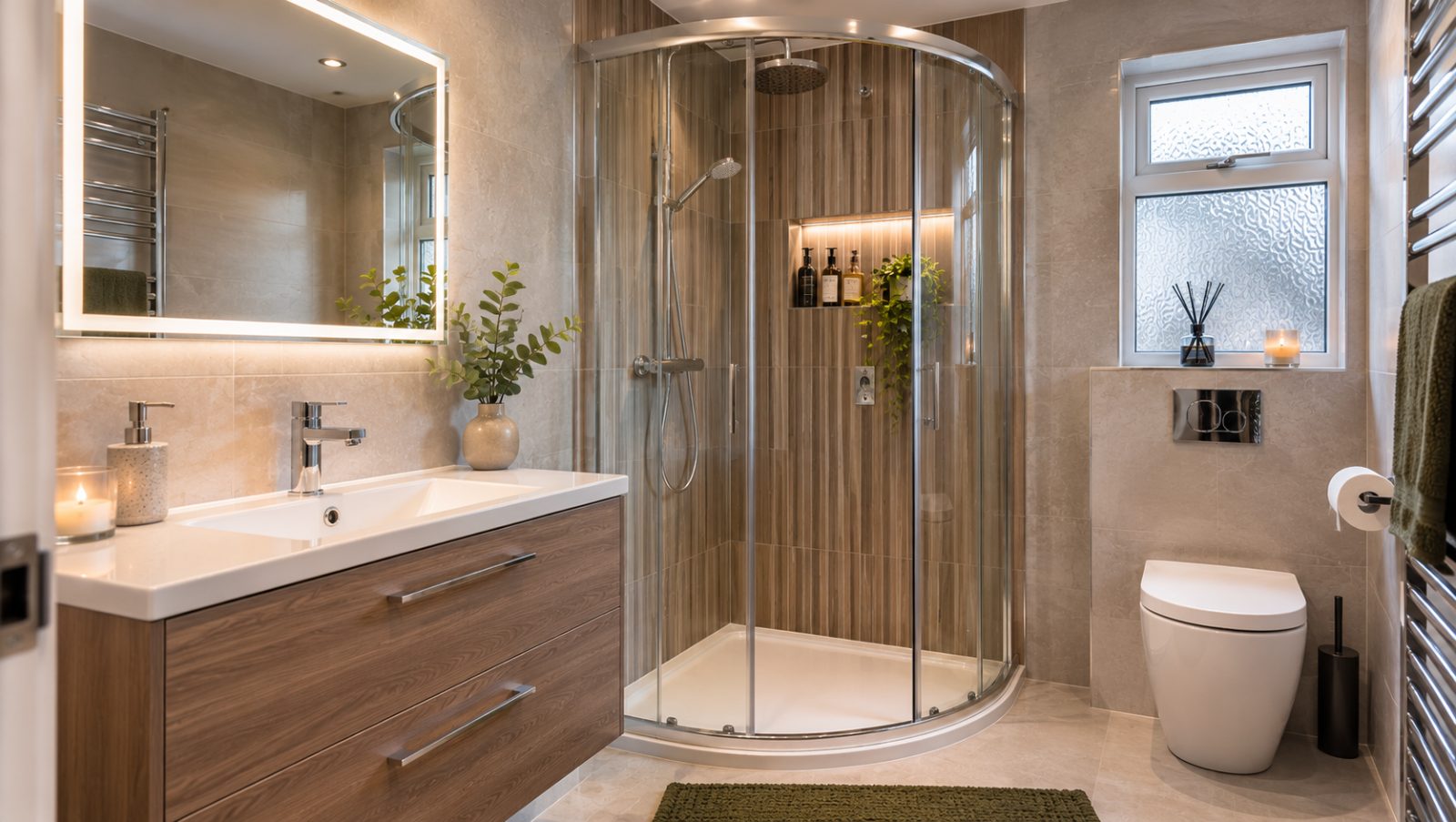
Start by describing the bathroom improvements you need without having to prepare a detailed technical specification.
We help connect homeowners with independent bathroom contractors serving Bury and surrounding Greater Manchester communities.
Enquire about everything from compact bathroom refurbishments to complete redesigns and accessible shower arrangements.
Discuss the proposed work, materials, availability and estimate directly with the person responsible for arranging and completing the installation.
You can review the contractor's proposal, ask questions and decide whether the arrangements are right for your home before agreeing to the work.
The enquiry process encourages you to consider everyday comfort, maintenance, storage and functionality alongside the appearance of your bathroom.
A complete bathroom renovation usually involves more than removing old fittings and replacing them with new ones. The condition of the existing room, the position of the plumbing and the intended layout all influence how the work needs to be approached. Understanding the main stages can help you prepare for conversations with the contractor.
The first stage is generally an assessment of the bathroom. The contractor may measure the available space, inspect the existing fittings and discuss how you want the finished room to function. This is an opportunity to explain whether you need additional storage, easier shower access, improved lighting or more room around the toilet and basin.
Once the proposed layout and products have been agreed, the existing bathroom can be stripped out as required. Removing tiles, flooring and sanitaryware sometimes reveals problems that were previously hidden. These might include damaged plaster, deteriorated floorboards or old plumbing connections that need attention before installation continues.
Preparation is particularly important in areas regularly exposed to water. Shower walls, floor surfaces and pipe penetrations may require suitable waterproofing systems. The contractor should explain how the room will be prepared and which materials are appropriate for the proposed design.
Plumbing and electrical alterations generally take place before the final wall and floor finishes are completed. The precise order depends on the installation, but coordinating these stages helps avoid unnecessary disruption to newly finished surfaces.
The final stages typically involve fitting the bath, shower, toilet, basin and furniture, followed by sealing, connection checks and finishing details. Before the project is considered complete, discuss how the new fittings will be tested and what maintenance they require.
It is also worth asking who will arrange waste removal, product deliveries and any specialist trades needed during the renovation. Knowing these responsibilities in advance makes it easier to prepare your home and plan around the work.
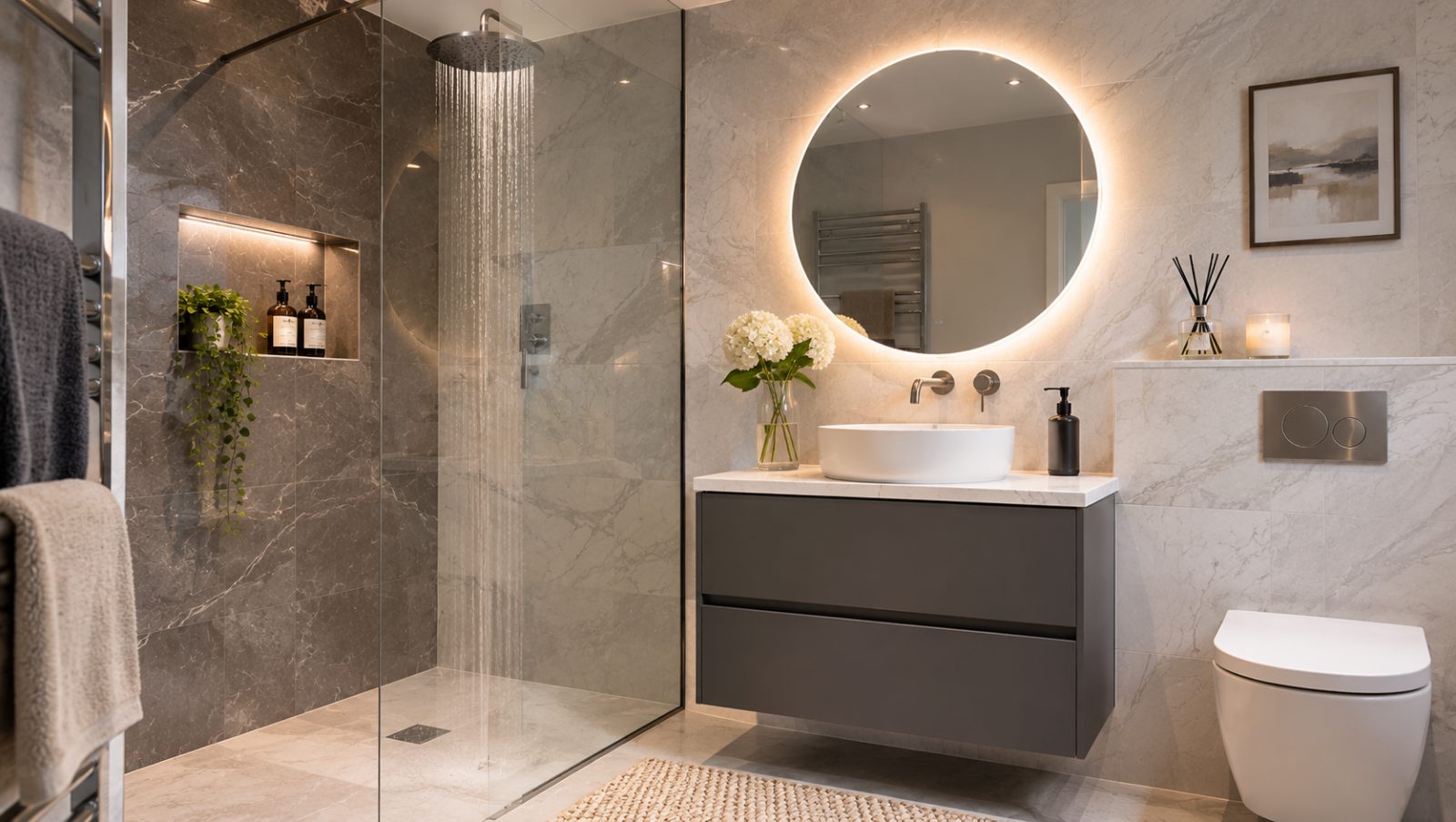
A bathroom can look dated without having any serious underlying problems. However, certain signs suggest that replacing a few accessories or applying fresh paint may not be enough. Recognising the difference can help you choose between a straightforward refurbishment and a more extensive renovation.
Persistent damp patches are worth investigating, particularly around shower enclosures, baths and adjoining walls. Water escaping through damaged seals or unsuitable surfaces can affect materials that are not designed to remain wet. Repeatedly covering the affected area without identifying the cause may allow the problem to continue.
Loose floor tiles, movement beneath the flooring or a bath that shifts slightly during use can also indicate that further assessment is needed. The contractor should establish whether the problem relates to the surface finish, the supporting structure or the installation of the fitting itself.
Poor ventilation is another common concern. If mirrors remain covered in condensation long after showering, ceilings develop recurring mould or the room smells damp, the existing ventilation arrangements may need reviewing. Better extraction can form an important part of a bathroom improvement project.
Sometimes the reason for renovating is simply that the bathroom no longer meets your needs. A shower over the bath may become inconvenient, particularly for someone who has difficulty stepping over the bath edge. A poorly positioned basin or oversized vanity unit might make an otherwise usable room feel restrictive.
Storage problems, difficult-to-clean finishes and insufficient lighting can make daily routines more frustrating than necessary. Addressing these issues together during renovation may produce a more useful result than making isolated changes over time.
When submitting an enquiry, describe both the visible condition of the bathroom and any recurring problems you have noticed. If water is actively leaking or damaging nearby rooms, arrange appropriate attention promptly rather than waiting for a planned renovation to begin.
Bathroom renovation estimates depend on the amount of work required, the condition of the property and the products selected. Two bathrooms of a similar size can involve very different installation requirements, so comparing projects by floor area alone is rarely enough.
One of the biggest considerations is whether the existing layout will remain in place. Keeping the toilet, basin and bath close to their current connections can reduce the need for substantial plumbing alterations. Moving these fittings may require new drainage routes, changes beneath the floor or adjustments to surrounding walls.
The condition of the room also matters. A bathroom with sound walls and a suitable floor structure may require relatively straightforward preparation. Where previous leaks have damaged materials, additional remedial work might be necessary before new surfaces and fittings can be installed properly.
Product choices influence the overall scope of the project. Standard baths, conventional shower trays and simple furniture arrangements have different installation requirements from freestanding baths, concealed shower systems and bespoke storage. Large-format tiles and intricate tiling patterns can also demand additional preparation and fitting time.
Electrical improvements, ventilation upgrades and changes to heating should be considered alongside the visible bathroom products. These elements are easy to overlook when planning the appearance of a new room, but they can make an important difference to comfort and usability.
Property access can affect how the work is organised. Narrow staircases, limited parking and awkward routes for removing old sanitaryware may require additional handling or planning.
Ask the contractor for a written estimate that explains what is included, which materials are being supplied and how unexpected work would be handled. Clarify whether waste removal, finishing materials and any specialist services form part of the proposal.
A useful estimate should allow you to understand the work being proposed rather than leaving you to guess which essential tasks have been included. Agreeing the process for approving changes can also help prevent misunderstandings once installation begins.
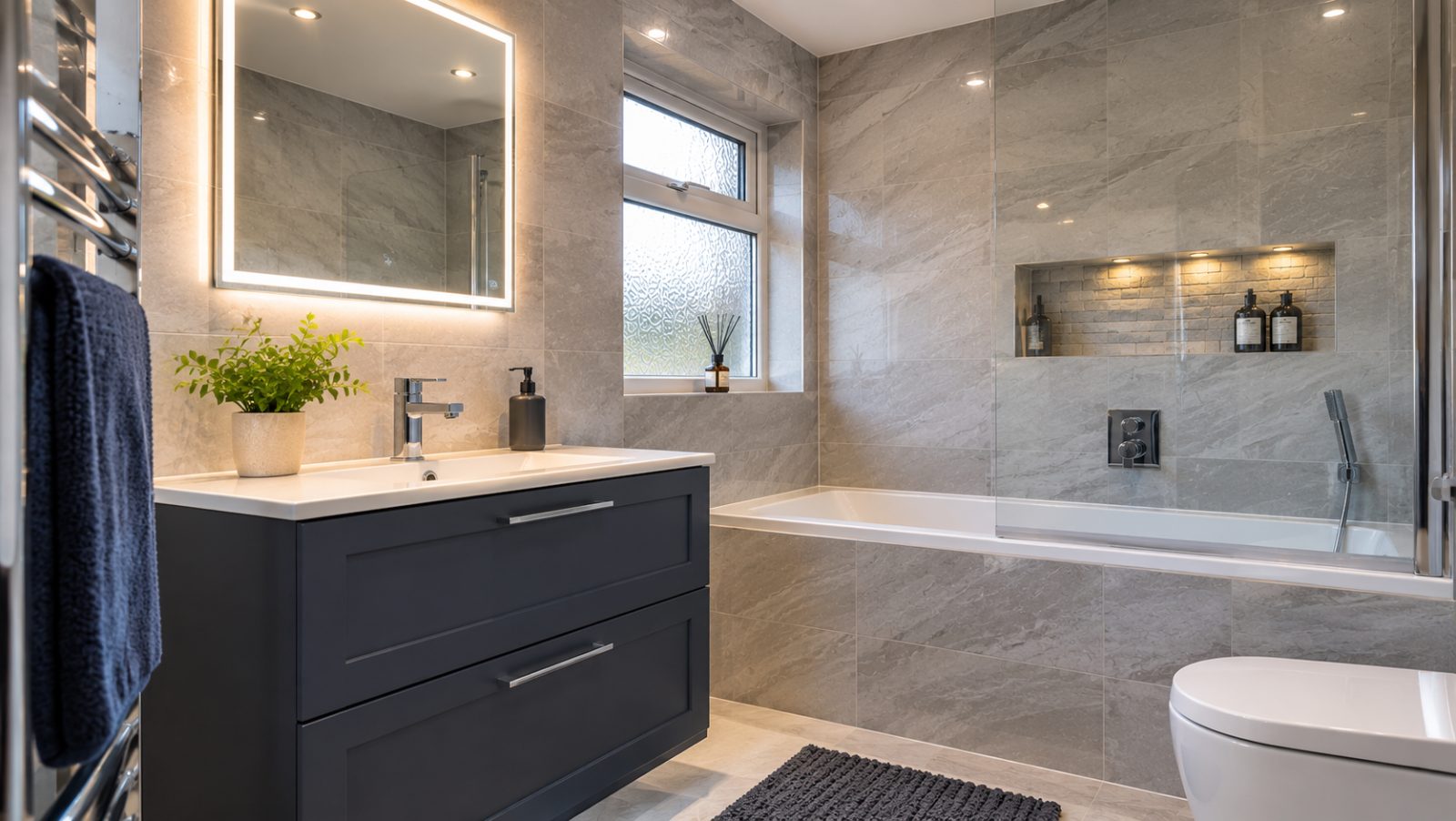
Bury has a broad residential mix shaped by its industrial history and subsequent suburban development. Across the borough, older brick terraces sit alongside traditional semi-detached houses, detached family homes and modern developments. Bathroom planning needs to reflect the individual building rather than assuming that every property will accept the same installation.
Older houses may have bathrooms that were altered or added after the original property was constructed. Previous owners sometimes moved fittings, boxed in pipework or adapted rooms that were not originally intended as bathrooms. These changes can influence the options available when planning a new layout.
Properties with suspended timber floors require particular consideration when introducing heavy fittings or tiled wet room surfaces. The contractor should assess whether the existing construction is suitable for the intended installation and identify any preparation needed to support the finished design.
Solid external walls and cooler room surfaces can contribute to condensation when warm, moist air is not adequately removed. In Greater Manchester's frequently damp weather, effective bathroom ventilation is especially useful for managing everyday moisture. Heating, insulation and extraction arrangements should be considered together where appropriate.
Compact terraces can benefit from carefully chosen fittings that make better use of limited floor space. A shorter bath, corner basin or suitably positioned shower enclosure might improve movement around the room without requiring structural alterations.
Larger suburban properties often provide more flexibility, although existing drainage routes can still influence where toilets and showers can reasonably be positioned. Adding furniture or introducing a separate shower needs to be considered in relation to the available circulation space.
When planning an upstairs renovation, remember that access through the house can be as important as the dimensions of the bathroom itself. Check how large products will reach the room and whether stairs or landings restrict their movement.
An assessment of the actual property is the most reliable way to identify these practical considerations before selecting products or settling on a final bathroom design.
Choosing someone to renovate your bathroom involves more than finding a design you like. The contractor will need to coordinate several aspects of the project, including preparation, plumbing, surface finishes and the installation of fittings. Clear communication about these responsibilities is an important part of making an informed decision.
Begin by explaining what you expect from the finished bathroom. You might want a low-maintenance shower room, a comfortable family bathroom or a more accessible arrangement. A useful discussion should explore the practical requirements behind those preferences rather than concentrating exclusively on product appearance.
Ask the contractor about experience with the particular type of installation you are considering. Wet rooms, concealed plumbing and substantial layout changes can present different challenges from replacing conventional bathroom fittings. Relevant examples of previous work may help you understand the contractor's approach.
Request a written description of the proposed work. This should identify which existing features will be removed, what preparation is included and who is responsible for supplying the products. Establish whether separate trades will be involved and who will coordinate their attendance.
It is sensible to check appropriate insurance arrangements and any qualifications or registrations required for specialist work. Electrical installations in bathrooms must meet applicable safety and building requirements. Where relevant, ask how compliance and certification will be handled.
Discuss the expected sequence of the project and how changes will be communicated if hidden problems are discovered. You should also understand the payment arrangements, cancellation terms and any workmanship or product guarantees before entering into an agreement.
If you receive more than one estimate, compare the scope of each proposal carefully. An apparently simpler proposal might exclude preparation or finishing tasks that another contractor has included.
Take the time to ask about anything you do not understand. A bathroom renovation is an important improvement to your home, and you should feel comfortable with the proposed arrangements before committing to the installation.
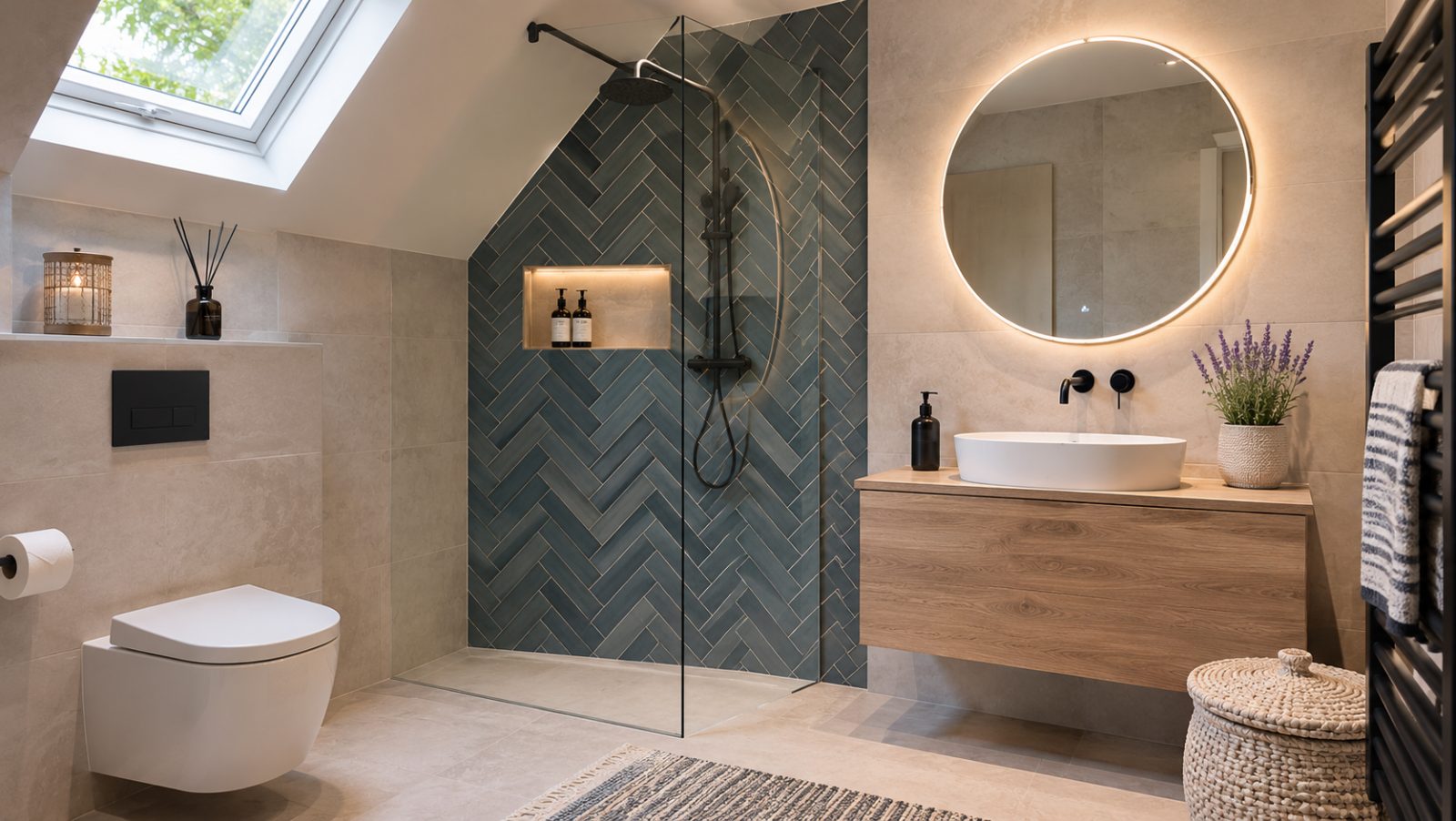
A bathroom that photographs beautifully is not necessarily the most convenient bathroom to use. The best layout for your home should consider how different members of the household use the room throughout the day, from busy mornings to evening baths and cleaning routines.
Start with the activities that matter most. Families with younger children may value a bath with accessible controls and nearby storage for towels. Households where everyone prefers showering might make better use of a generous enclosure and a practical drying area.
Consider how much room is available around each fitting. A deep vanity unit can provide valuable storage but may also restrict movement in a narrow bathroom. Shower doors need enough space to open comfortably, while drawers and cupboards should remain accessible when other fittings are in use.
Storage is often most effective when it is positioned close to where items are needed. A mirrored cabinet above the basin can keep toiletries within reach, while recessed shelving in a suitable shower wall can reduce the need for hanging baskets and additional accessories.
Lighting deserves attention at the planning stage. General illumination helps the whole room feel comfortable, while suitable task lighting around the mirror makes shaving and personal care easier. Bathroom electrical fittings must be selected and installed with their position and exposure to moisture in mind.
Cleaning requirements should also influence product choices. Fewer awkward gaps, accessible floor areas and suitable wall finishes can simplify regular maintenance. Think about how easily you can reach behind a toilet, clean shower screens or wipe around the bath edge.
If the household's needs are likely to change, consider whether the proposed design will remain suitable. Features such as easier shower access, sensible control positions and provisions for future adaptations may improve long-term usability.
Before finalising the design, imagine using the finished bathroom during your usual morning routine. This simple exercise can reveal practical details that might otherwise be missed when choosing fittings from a catalogue.
Bathroom Renovations Bury does not do the bathroom renovation work itself. When you call or send the form, we pass your request to an independent local contractor who covers your part of Greater Manchester. That contractor contacts you, gives you the estimate and does the work.
See what happens after you call
Yes, you can submit an enquiry for a complete renovation covering the removal of existing fittings, preparation and installation of a new bathroom. The independent contractor will discuss the specific work needed for your property.
No, you can begin with a general idea of what you would like to change. Explain your preferences and any problems with the current layout so the contractor can discuss practical possibilities.
Many bathrooms can be adapted to accommodate a shower enclosure instead of a bath. Drainage, floor construction and the available dimensions will determine which arrangements are suitable.
Retaining the current positions of your main fittings is often a practical option. New products, improved surfaces and better storage can transform the room without substantially relocating its plumbing.
The independent contractor contacts you to discuss your requirements and prepare the estimate. Any agreement for the installation is made directly with that contractor.
Take the first step towards a bathroom that suits your home. Describe the improvements you are considering and request contact from an independent local bathroom contractor.
Free — no obligations