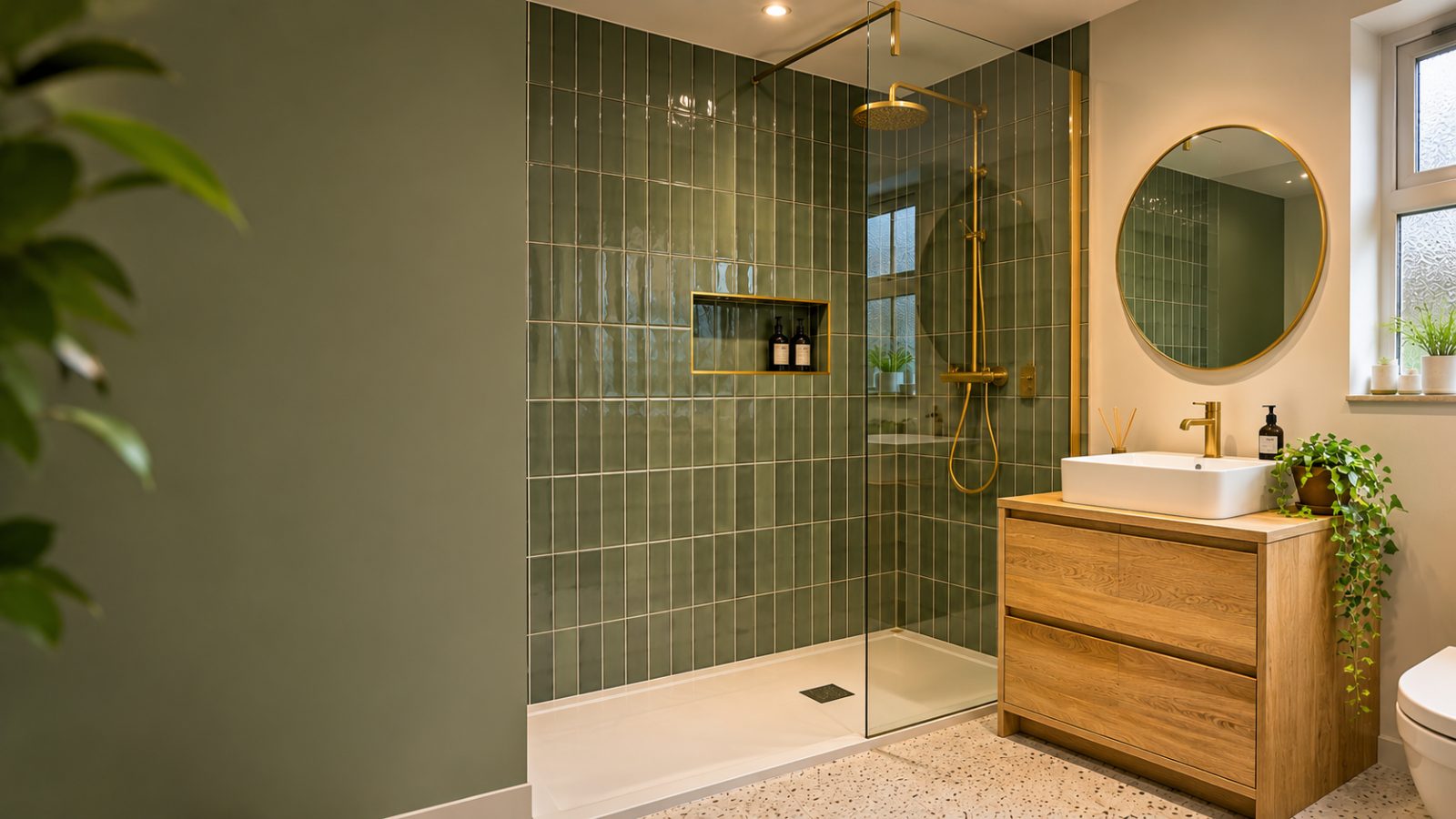
Give Your Existing Bathroom a Fresh Start
Bathroom Refurbishment in Bury
Explore practical ways to update your bathroom. Get a Free Estimate
Not every outdated bathroom needs to be completely stripped back. If the existing layout works well and the underlying installation is in suitable condition, a refurbishment may achieve the improvements you want while retaining useful parts of the room.
Bathroom refurbishment focuses on renewing selected features. This might involve replacing worn taps, updating furniture, refreshing wall finishes or introducing a more practical shower enclosure.
We help homeowners across Bury arrange enquiries for bathroom refurbishments. The contractor can assess which existing features are worth retaining and identify improvements that require more substantial preparation.
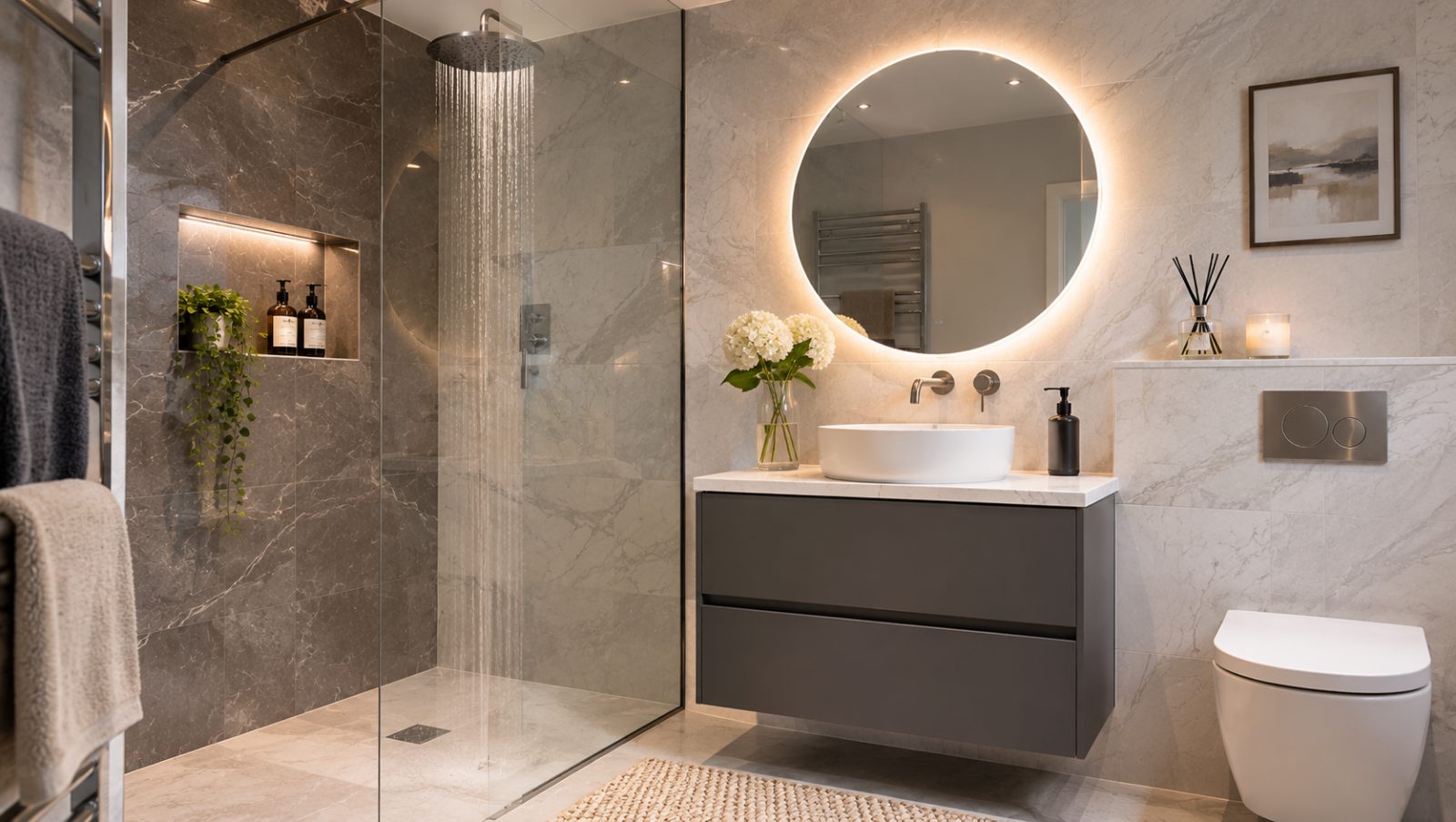
A successful refurbishment starts by identifying the elements that cause the most inconvenience or make the room feel tired. The following improvements can be considered individually or combined into a broader project.
An ageing basin, toilet or set of taps can make an otherwise functional bathroom feel neglected. Replacing individual fittings allows you to introduce a more contemporary appearance and improve everyday convenience. The contractor should check whether proposed replacements are compatible with existing water supplies, waste connections and surrounding surfaces. Even products that appear similar can have different dimensions or installation requirements. Retaining the current positions may be appropriate where the connections remain serviceable and the room already functions comfortably.
Replacing dated tiles or damaged flooring can change the character of a bathroom considerably. Suitable wall panels may also offer an alternative to conventional tiled finishes in appropriate installations. Existing surfaces need to be assessed before any new covering is applied. Loose tiles, moisture damage and unsuitable substrates should not simply be concealed. Discuss the preparation needed for the selected products, particularly in areas around baths and showers where water exposure is frequent.
A refurbishment provides an opportunity to reconsider where toiletries, towels and cleaning products are kept. Replacing an oversized pedestal basin with suitable vanity furniture might provide useful storage without occupying additional floor space. Mirrored cabinets, shallow cupboards and wall-mounted units can help reduce clutter. Check that doors and drawers have sufficient clearance and that furniture materials are suitable for bathroom conditions. The contractor can discuss appropriate fixing arrangements based on the wall construction and intended location.
A bath or shower that remains in sound condition may benefit from renewed surrounding finishes, replacement screens or compatible controls. These changes can improve appearance and make the area more convenient to clean. Persistent moisture problems should be investigated before carrying out cosmetic improvements. Deteriorated sealing materials may be part of the issue, but underlying waterproofing and drainage also need consideration. Ask the contractor whether retaining the existing installation is a sensible long-term option.
The comfort of a bathroom depends partly on features that are less noticeable than its main fittings. Better mirror lighting, appropriate heating and effective ventilation can make the room more pleasant to use throughout the year. Any changes involving electrical installations should be discussed with the contractor so applicable safety requirements are addressed. Replacement extraction equipment also needs to be suitable for the room and the available ducting arrangements.
Discuss retaining useful fittings rather than automatically including unnecessary replacements.
An enquiry can concentrate on the specific aspects of the bathroom you would most like to improve.
The contractor can establish whether refurbishment is appropriate or whether underlying problems need further attention.
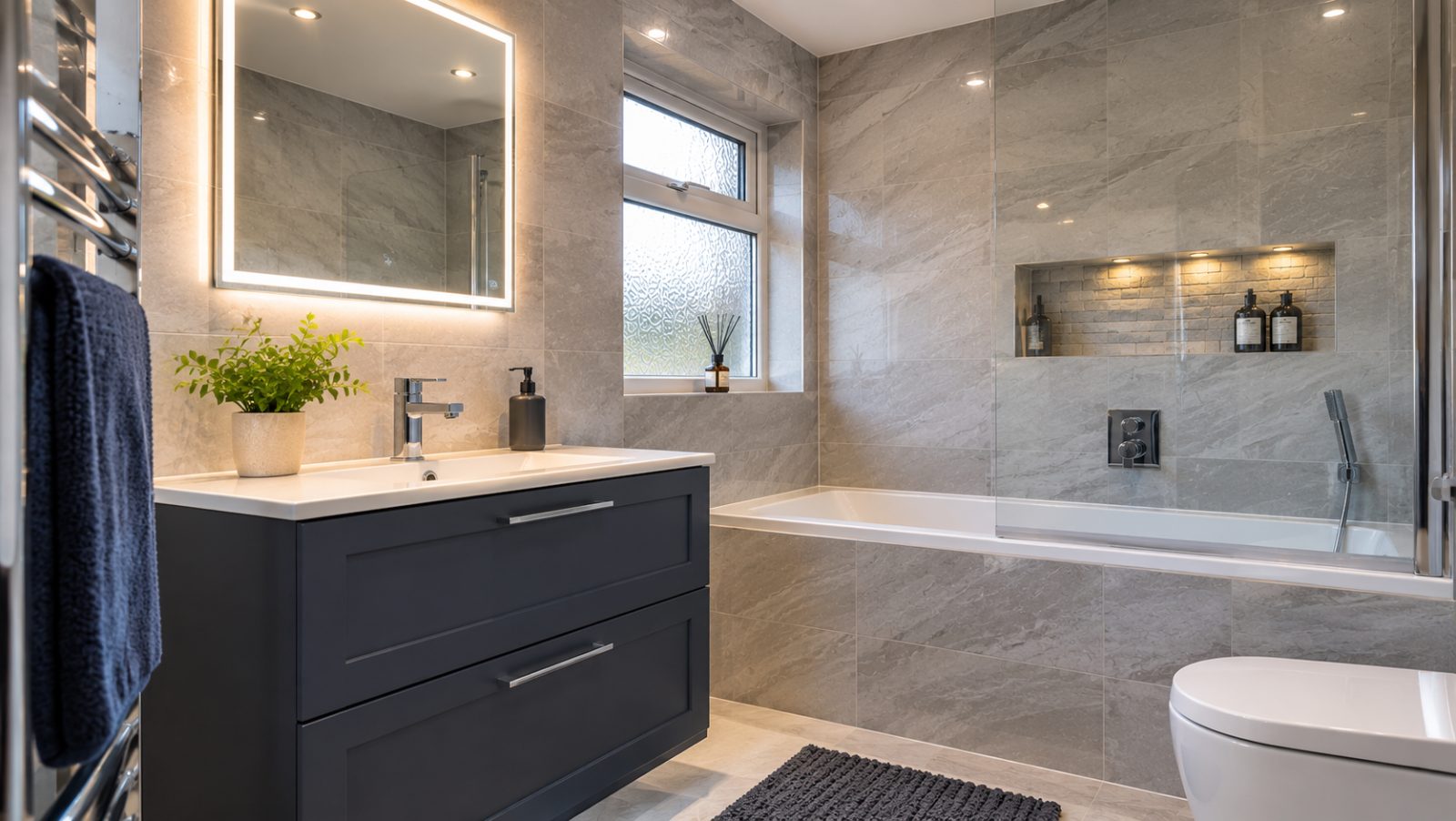
Tell us which parts of your bathroom need refreshing and explore suitable refurbishment options with a local contractor.
Free — no obligations
List the fittings and finishes you would like to replace, alongside anything you hope to retain.
The contractor considers its condition and the compatibility of the proposed improvements.
Review products, preparation requirements and any limitations that affect the refurbishment.
Agree the written scope and installation arrangements with the contractor before the improvements begin.
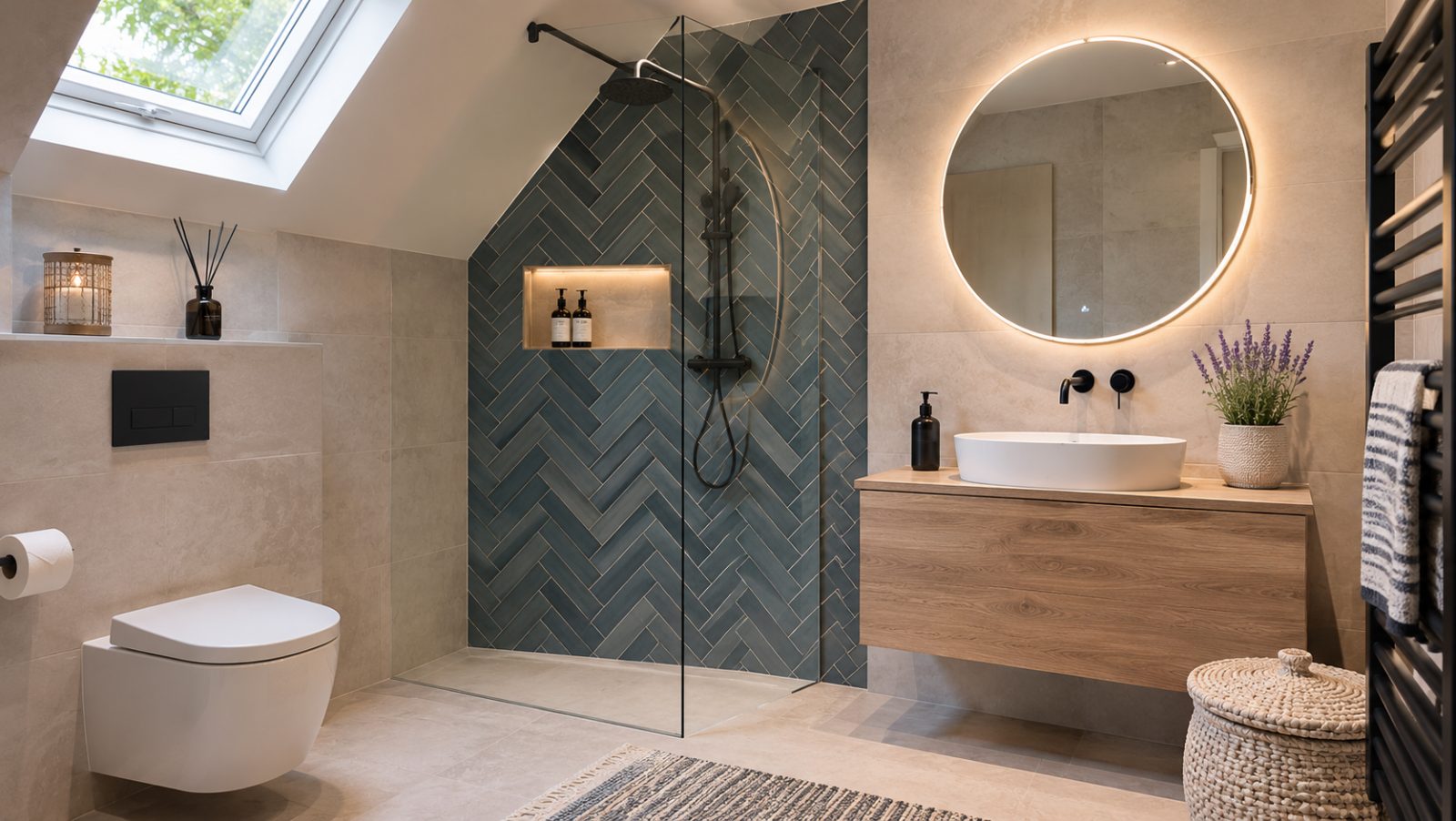
Refurbishment generally concentrates on renewing selected features while retaining suitable parts of the existing room. Renovation can involve more extensive changes to the layout, construction and underlying installations.
This depends on whether the existing flooring extends beneath the furniture and remains in suitable condition. Different cabinet dimensions may expose unfinished or damaged areas.
Some panel systems permit installation over suitably prepared tiled surfaces. The contractor needs to check adhesion, moisture damage, surface condition and manufacturer requirements first.
It may help if ventilation and heating improvements form part of the project. The cause of recurring moisture should be investigated rather than relying solely on decorative changes.